Wool is a natural fiber used in bedding because its crimped structure helps create resilient, cushioning materials. In pillows and mattress layers, wool can provide comfortable support while allowing airflow. Its moisture-managing properties help move water vapor away from the body, making wool bedding a useful option across changing seasons.
Wool bedding is valued for its ability to help moderate temperature: the fiber can retain insulating air in cooler conditions while remaining breathable in warmer settings. These characteristics may support a more comfortable sleep environment. Wool also has natural resilience, which helps filling maintain loft and recover after compression.
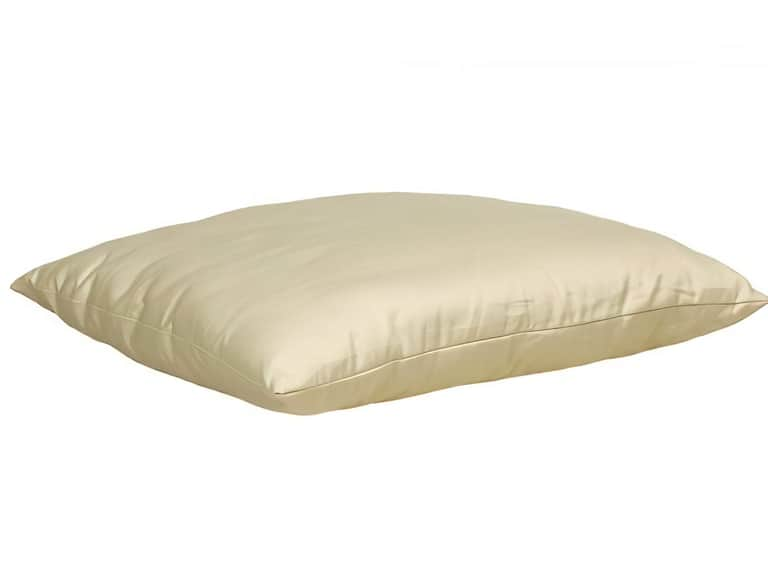
The Sleep and Beyond MyMerino Organic Wool Pillow uses organic wool filling to provide cushioning for the head and neck. Wool’s springy structure offers a distinct alternative to synthetic or down fills, while its breathable, moisture-managing qualities can help reduce the clammy feeling associated with trapped heat during sleep.
When assessing wool pillows, consider fill composition, pillow height, sleeping position, and care instructions. A well-matched loft can support comfortable alignment for side, back, or stomach sleepers, although individual needs vary. Wool may require careful airing or spot cleaning, so checking the product’s maintenance guidance helps preserve its shape and performance.
Wool is one material to consider when comparing natural bedding, pillows, and sheets, as well as organic mattresses and organic crib mattresses. Each product has different construction and support requirements, so review fiber content, certifications, and intended use. For crib bedding, follow current safe-sleep guidance and use only products specifically designed for infants.
 Bedding