Understanding Wool in Mattresses: From Farm to Sleep Surface
Wool-filled bedding offers natural temperature regulation and moisture management. This piece reveals how wool is sourced, processed, and integrated into mattresses and toppers, with attention to certifications, sustainability, and the voices of three distinct figures across generations.
In the realm of sleep, wool is more than a cozy coating. It is a material with lineage: shepherds tending flocks, mills spinning fibers, and brands translating a natural mineral of warmth into a refined nighttime ritual. From the pastoral to the bedroom, wool mediates temperature, wicks moisture, and offers a breathable cushion that adapts to the body. This article expands on the journey from farm to sleep surface and guides you through certifications, selection, and the evolving conversation about sustainable, transparent sourcing.
The lifecycle of wool in bedding
Wool begins its journey on sheep farms, where responsible husbandry and animal welfare shape the fiber's natural properties. Merino and other fine-wool varieties are prized for softness, elasticity, and moisture management. From there, wool enters the scouring and carding processes at mills, where it is cleaned, combed, and prepared for spinning. The resulting yarns are then engineered into batting for toppers and fills for mattress pads, often encased in breathable cotton or cotton blends to maximize comfort and climate control.
In many premium bedding lines, wool is complemented by cotton or other natural fibers to balance loft with airflow. The aim is not merely luxury but a sleeping climate that remains comfortable across seasons. When wool is sourced with integrity, it becomes a durable component that contributes to longevity without sacrificing softness.
Wool vs other natural fibers: performance and care
Wool's standout traits include temperature regulation, moisture management, and natural flame resistance. Compared to down or synthetic fills, wool maintains a breathable, climate-controlling surface that can wick away excess moisture while retaining warmth when temperatures drop. In practice, wool-filled bedding tends to feel thermally consistent, which can reduce night sweats and temperature-driven tossing and turning.
Material comparisons help shoppers choose with confidence. For instance, wool versus cotton toppers: wool offers enhanced moisture management and loft resilience, while cotton may deliver a lighter touch and simpler care. When choosing latex- or foam-backed components, consider how wool interacts with the underlying core to maintain surface feel and heat dissipation. End-user care typically involves machine washing on appropriate settings for pads and toppers, or professional cleaning for high-loft wool layers, following label guidance.
Certifications and quality indicators to look for
Certification tells a story about health, safety, and sustainability. For wool-filled bedding, look for certifications such as GOTS (Global Organic Textile Standard) and OEKO-TEX, which address organic content, dye chemistry, and overall environmental impact. GOTS-certified wool ensures that the fiber itself comes from organic-reared sheep and is processed in facilities adhering to strict ecological criteria. GOTS certification is especially meaningful when wool is combined with organic cotton casings or covers, creating a fully certified organic sleep system.
Beyond wool certification, you may encounter labels that reference responsible farming cooperatives, regional wool origins, or third-party lifecycle assessments. A transparent product page will disclose the origin of the wool, the processing steps, and the mill’s certifications. When a brand like Holy Lamb Organics or Vermont Furniture Designs is cited, you are hearing the voices of practitioners who prioritize cradle-to-cradle thinking: animal welfare, soil health, and long-lasting materials that reduce waste and replacement cycles.
From wool to sleep: a product case study
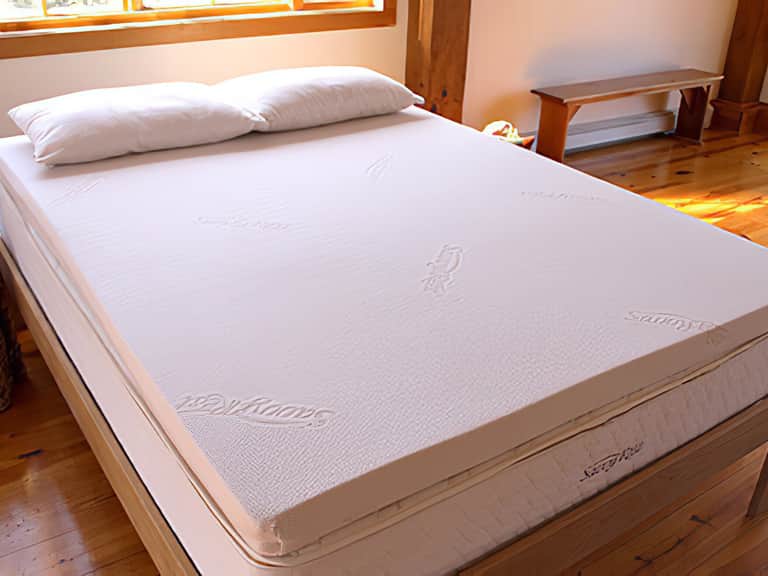
Consider a wool-filled mattress pad or topper as a case study in luxury and function. A Wool-Filled Mattress Pad from a European studio, for example, often pairs 100% Merino wool batting with a quilted natural cotton cover. The result is a breathable, insulating layer that adapts to the sleeper’s movement and body heat. Such toppers can be found in all-season designs that leverage wool’s moisture-wicking properties to keep sleepers dry without sacrificing comfort.
In practice, the combination of wool with natural cotton or linen shells can yield an elevated, sustainable sleep surface. The overall durability comes from meticulous stitching, high thread-count shells, and resilient baffles that distribute loft evenly. When evaluating a wool topper, examine the loft uniformity, the corner elastic fit, and the care instructions to ensure the product remains in peak condition for years to come.
Voices from three eras: the fashion of sleep narrated by three individuals
"The farm is not just a place of work; it is a source of feeling, a place where wool grows not just as fiber but as a story of stewardship. When we textile the land with care, the resulting warmth finds a way to the skin and into the night."
"Sustainability is a conversation that requires transparency in every thread. Our process must speak to the farmer, the mill, and the consumer—the journey from farm to surface must be legible."
"Today, wool is not just a fabric; it is a lifestyle choice. When we pair premium wool with responsible craftsmanship and clear certifications, we invite sleepers to embrace a kinder, longer-lasting sleep."
A Vogue-inflected guide to selecting wool-containing bedding
- Know the origin. Seek wool sourced from vetted farms with humane practices and clear regional origin disclosures.
- Read the labels. Look for certifications like GOTS and OEKO-TEX that cover the fiber, dye, and processing standards.
- Consider the cover material. A natural cotton or organic cotton cover can enhance breathability and contribute to a fully certified system.
- Check the loft and quilting. A uniform loft and well-secured baffles ensure long-lasting cushion and even warmth distribution.
- Care and longevity. Follow washing guidelines precisely; wool toppers may require gentler care or professional cleaning to maintain integrity.
A featured product: Arcadia Mattress Pad
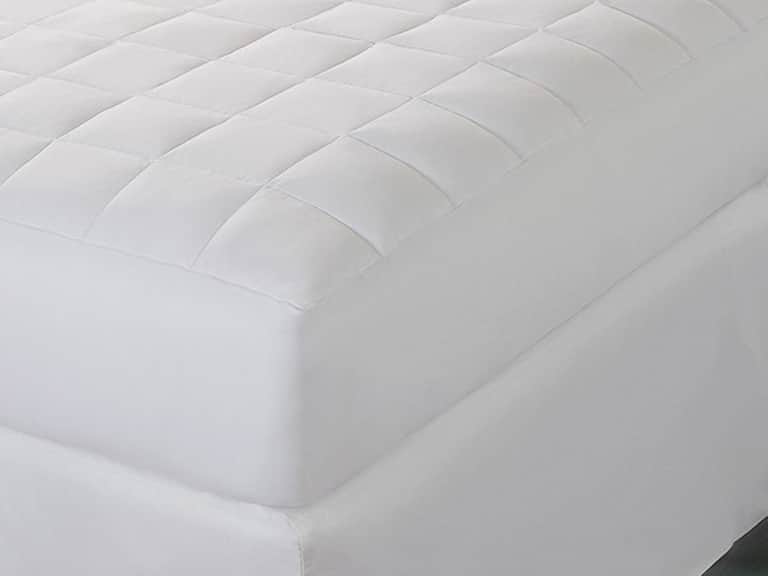
In the world of refined sleep accessories, the Arcadia Mattress Pad presents a plush union of comfort and function. Its pluma-fil down-alternative fill sits within a 330-thread cotton sateen shell, framed by a 6-inch sewn-through box construction that ensures even loft. The elasticized sides secure the pad to mattresses up to 17 inches deep, delivering a secure, luxurious fit that feels tailor-made for the modern bed.
Brand: Sferra
Price: 243.00 USD
Note: Images are for product representation. Availability and imagery may vary by retailer.
Three modern voices shaping the wool conversation
From the nostalgic vantage of a 19th-century agriculturalist to the scientific rigor of a late-20th-century materials researcher and the contemporary ethos of a sustainability-forward brand founder, wool’s appeal endures. Each voice adds texture to the conversation about responsible farming, transparent processing, and durable sleep surfaces.
- 19th Century: Sarah V. (Agriculturalist) Emphasized humane husbandry and the early recognition that farm practices influence product quality, even beyond food and fiber into textiles.
- Late 20th Century: Dr. Elena M. (Materials Scientist) Advocated for transparent supply chains, holistic lifecycle thinking, and standardized sustainability metrics.
- Early 21st Century: Kai R. (Brand Founder) Pushed for consumer-facing transparency, clear certifications, and partnerships with farms that uphold ecological stewardship.
Glossary and practical reading guide
GOTS: Global Organic Textile Standard. OEKO-TEX: a certification that tests textiles for harmful substances. Merino: a fine wool breed known for softness and comfort. Talalay latex (when used in toppers): a type of latex known for breathability and consistent feel. Lifecycle assessment (LCA): an accounting of environmental impacts throughout a product's life from cradle to grave.
Understanding these terms helps readers navigate product pages with confidence, ensuring the wool-filled sleep surface aligns with sustainability goals and personal comfort preferences.